Overall Program Reflections:
Workforce programs succeed when they start with the people they serve. The most impactful shift across institutions was moving from designing programs for students to designing them with students.
Access is about trust as much as awareness. Participants found that recruitment improves when institutions build relationships with parents, school counselors, faith communities, and local orgs—what several teams called “invisible influencers.”
Small operational changes can drive major equity outcomes. Things like clarifying pathways, aligning calendars for dual enrollment, and proactively identifying student barriers at onboarding made a real difference in enrollment and retention.
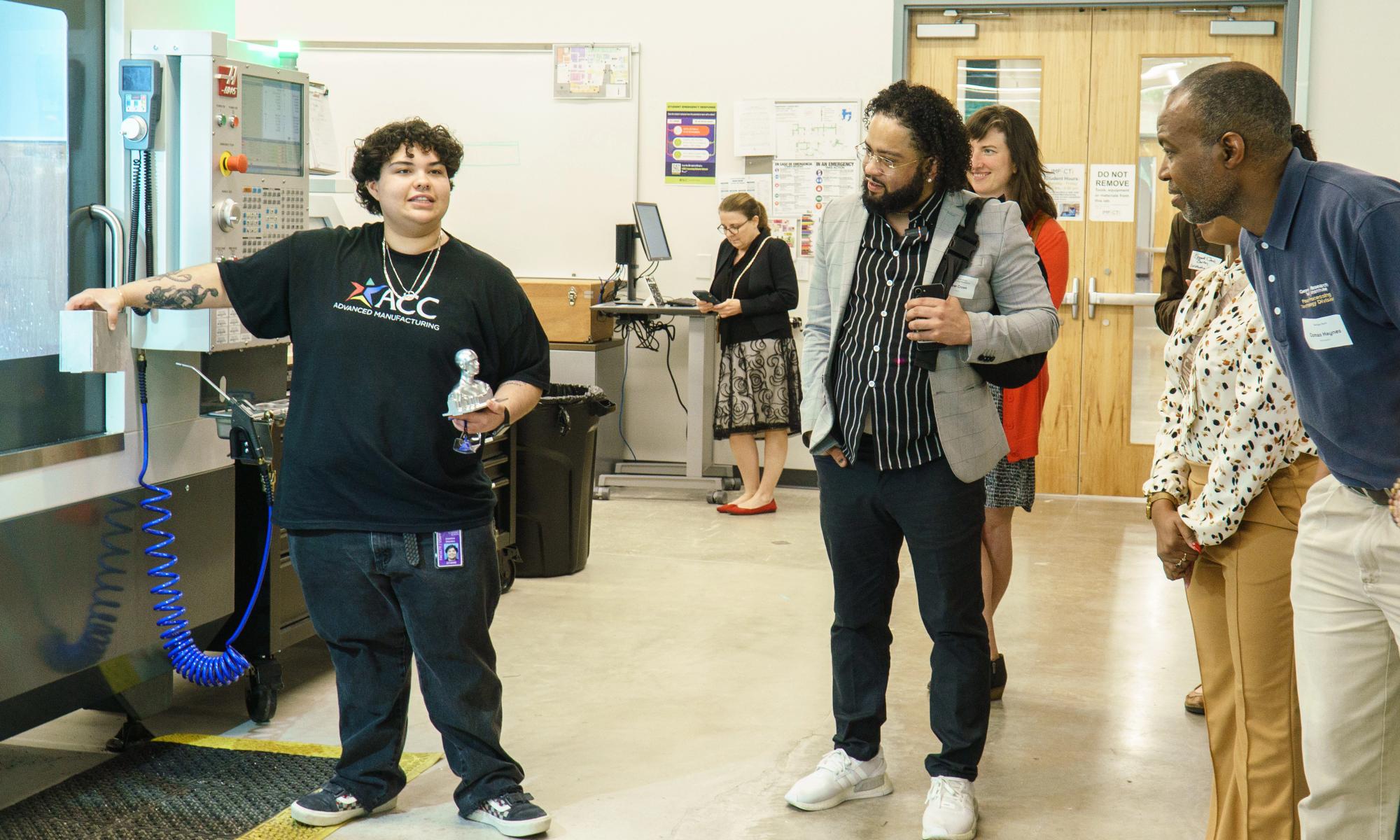
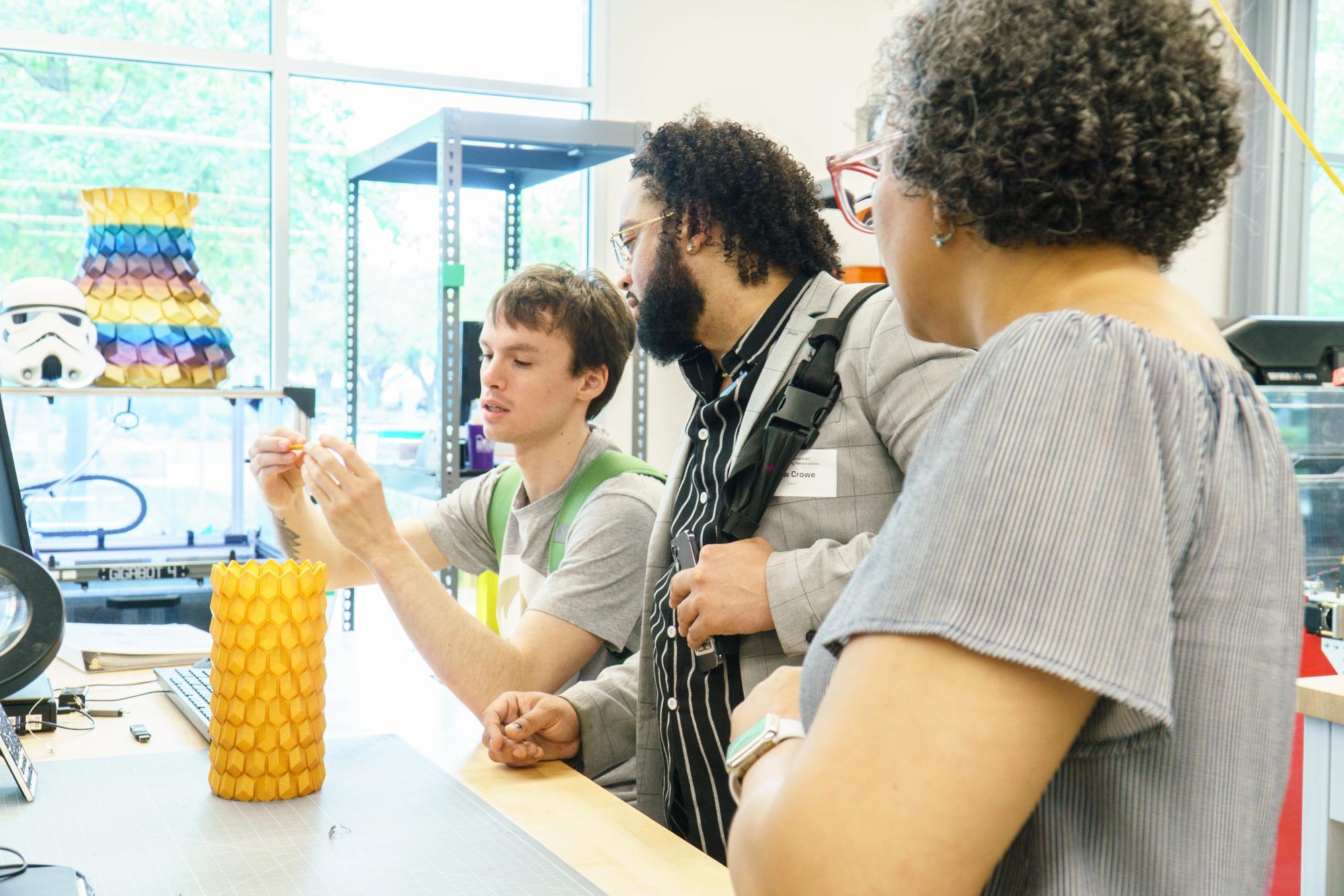
Strong partnerships are essential for workforce transformation. Programs were most successful when closely aligned with employers, embedded hands-on learning, and connected to regional economic development efforts.
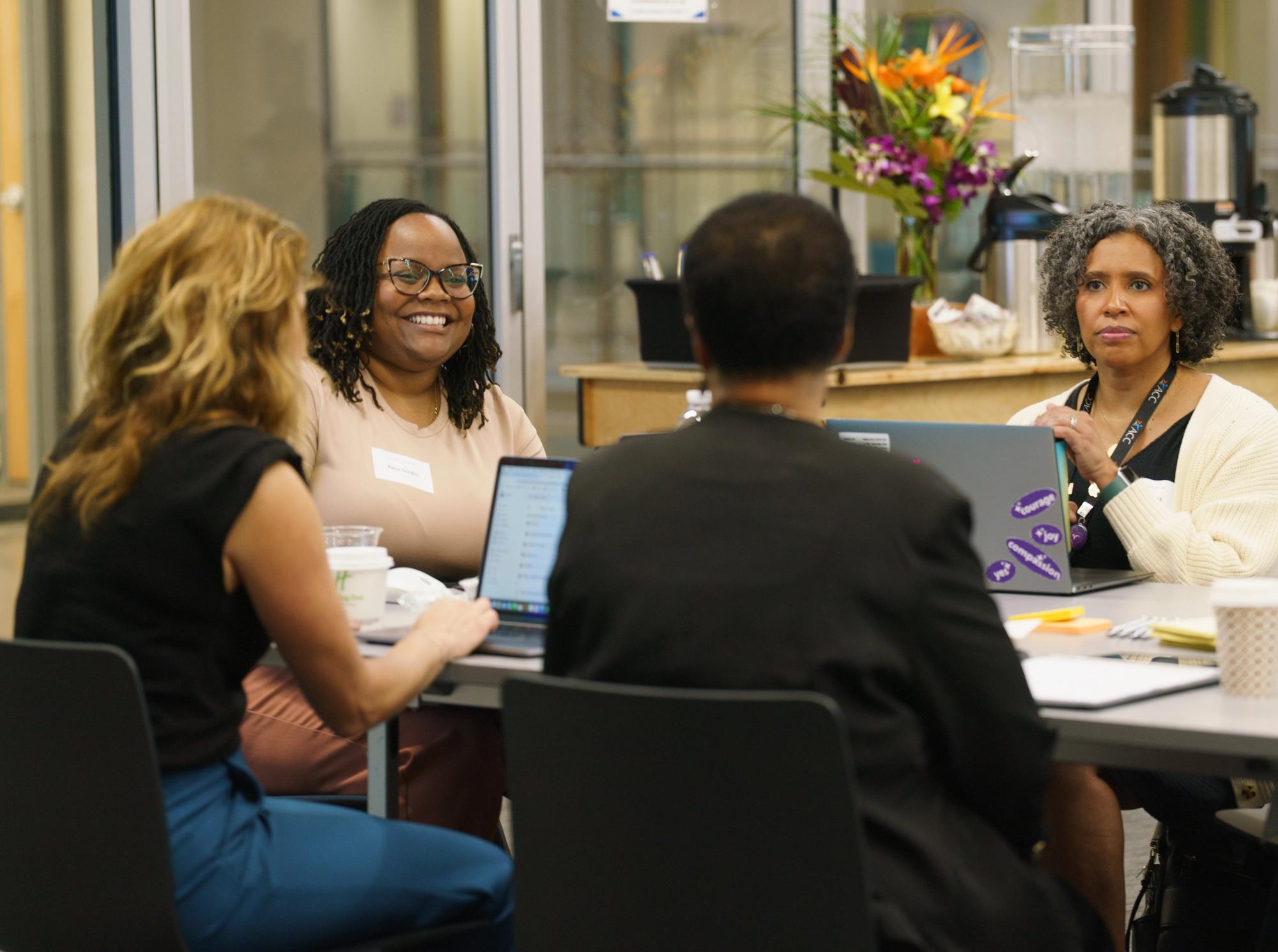
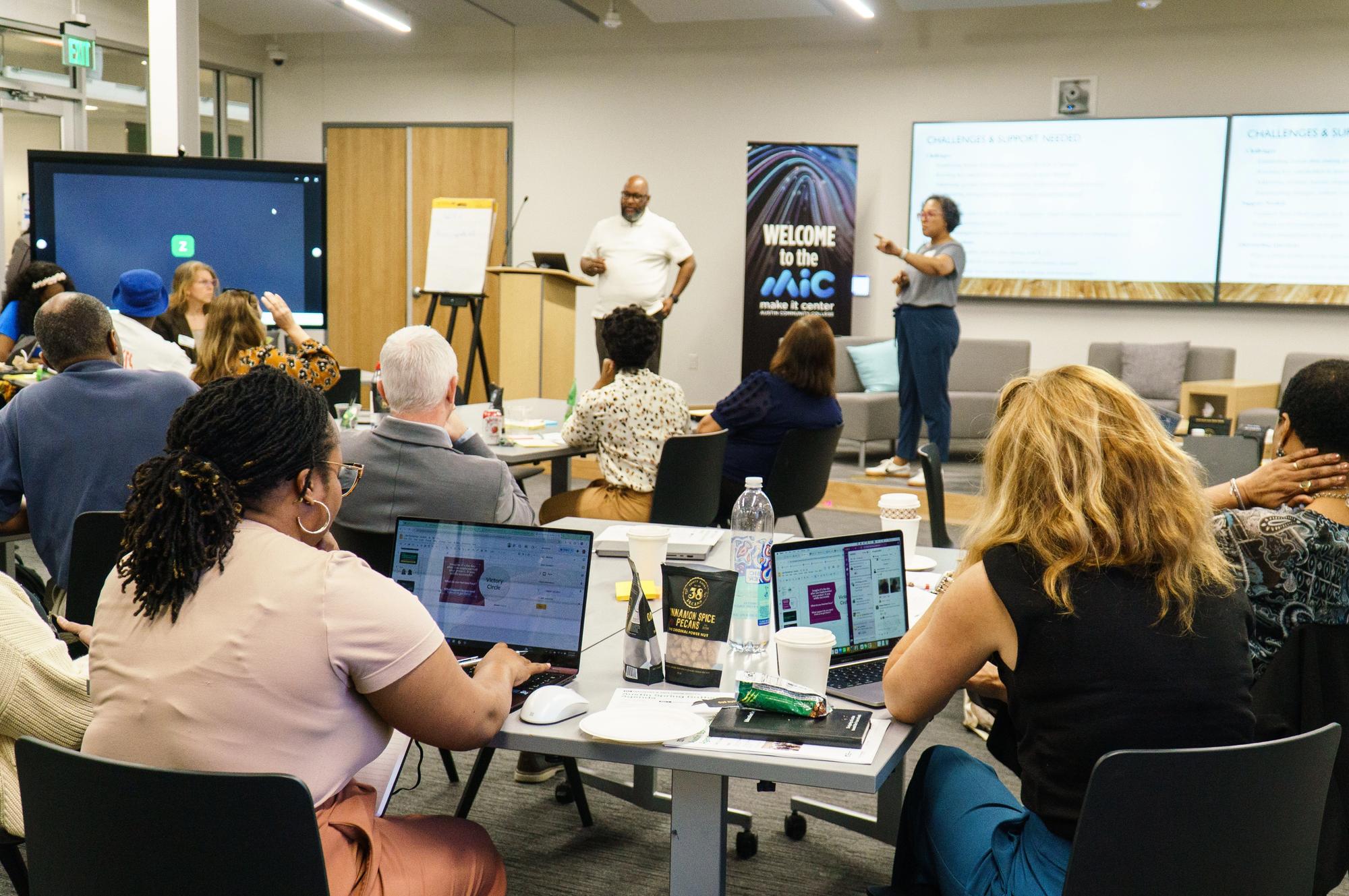
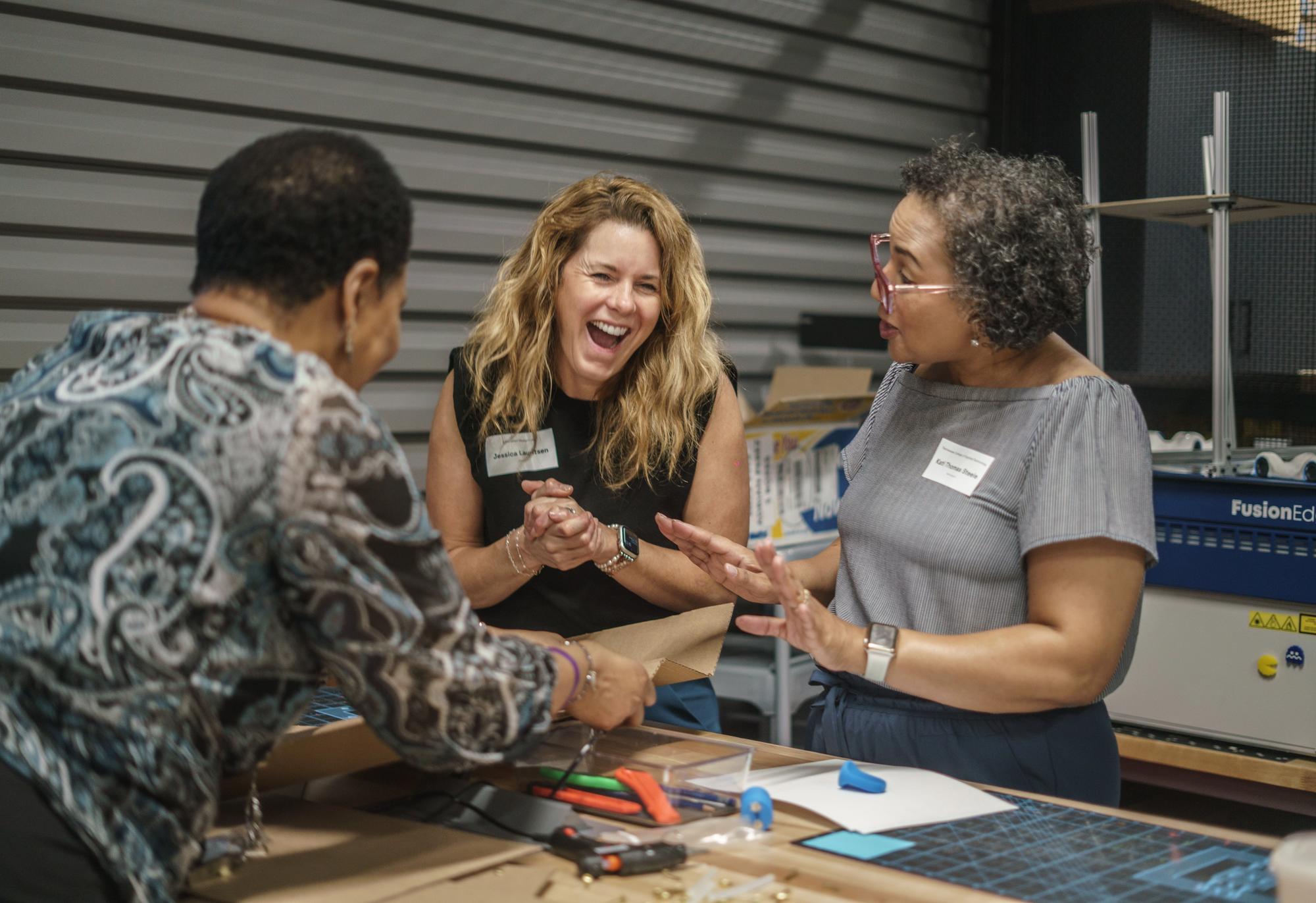
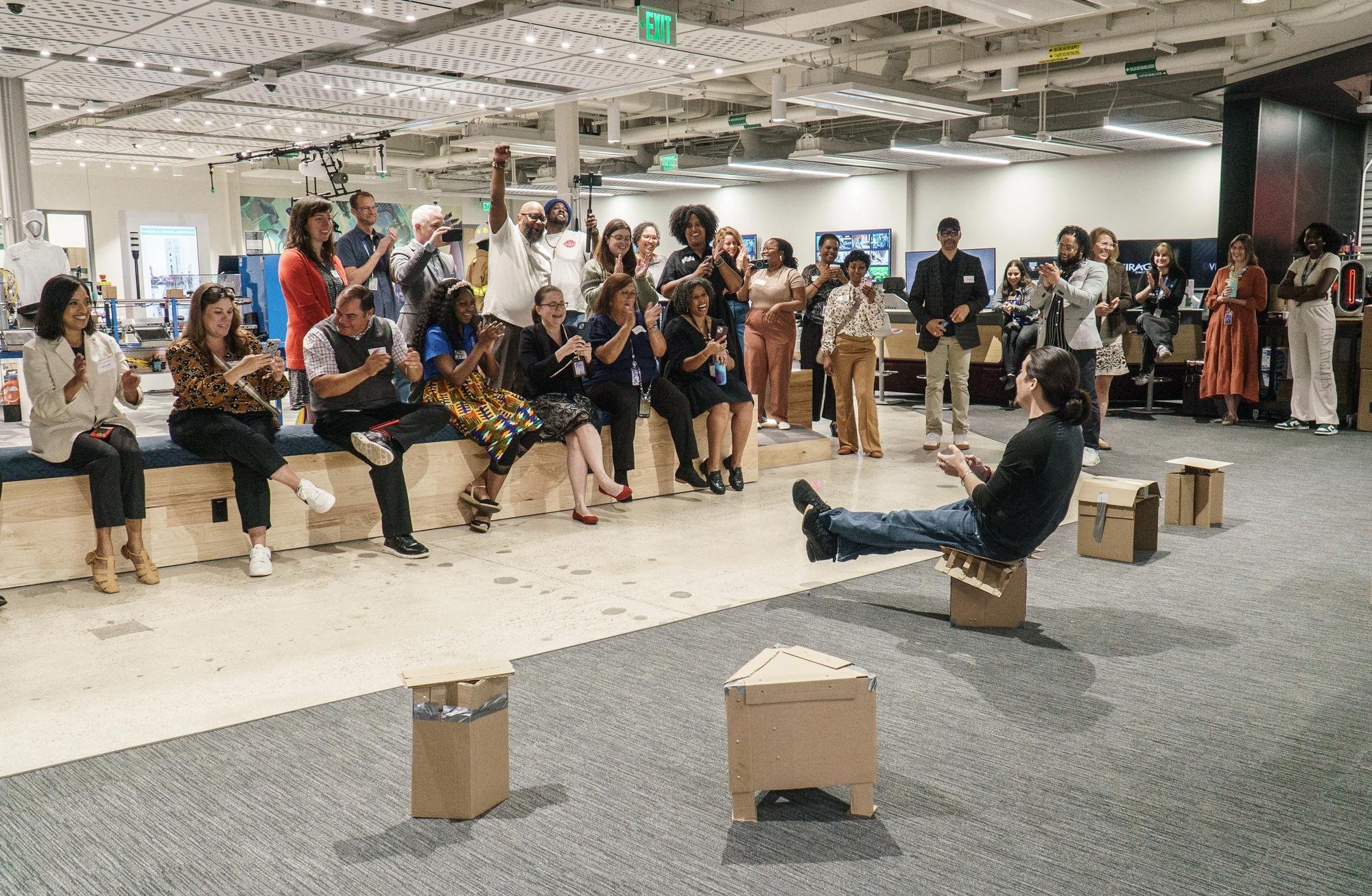
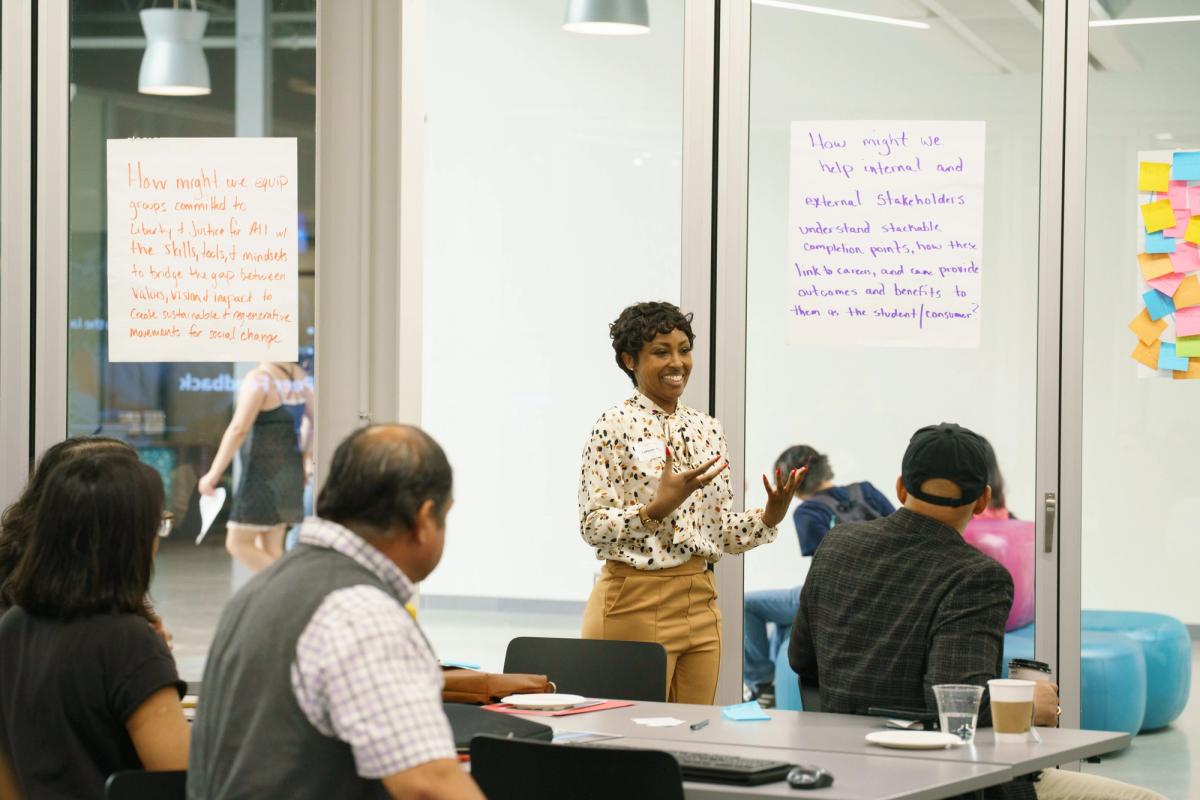
The cohort model itself created a powerful community of practice. Participants consistently said that the most valuable part of the program was being in community with one another—through peer learning, shared problem-solving, and in-person gatherings.