In October 2025, food and beverage manufacturers and their allies joined us in Asheville for the Mechanism event 'Rising Together: Advancing Food & Beverage Product Businesses in WNC.' This short recap covers the main insights and lessons they shared.
Local Collaboration over Competition: Lessons from our Asheville Food Manufacturer Convening
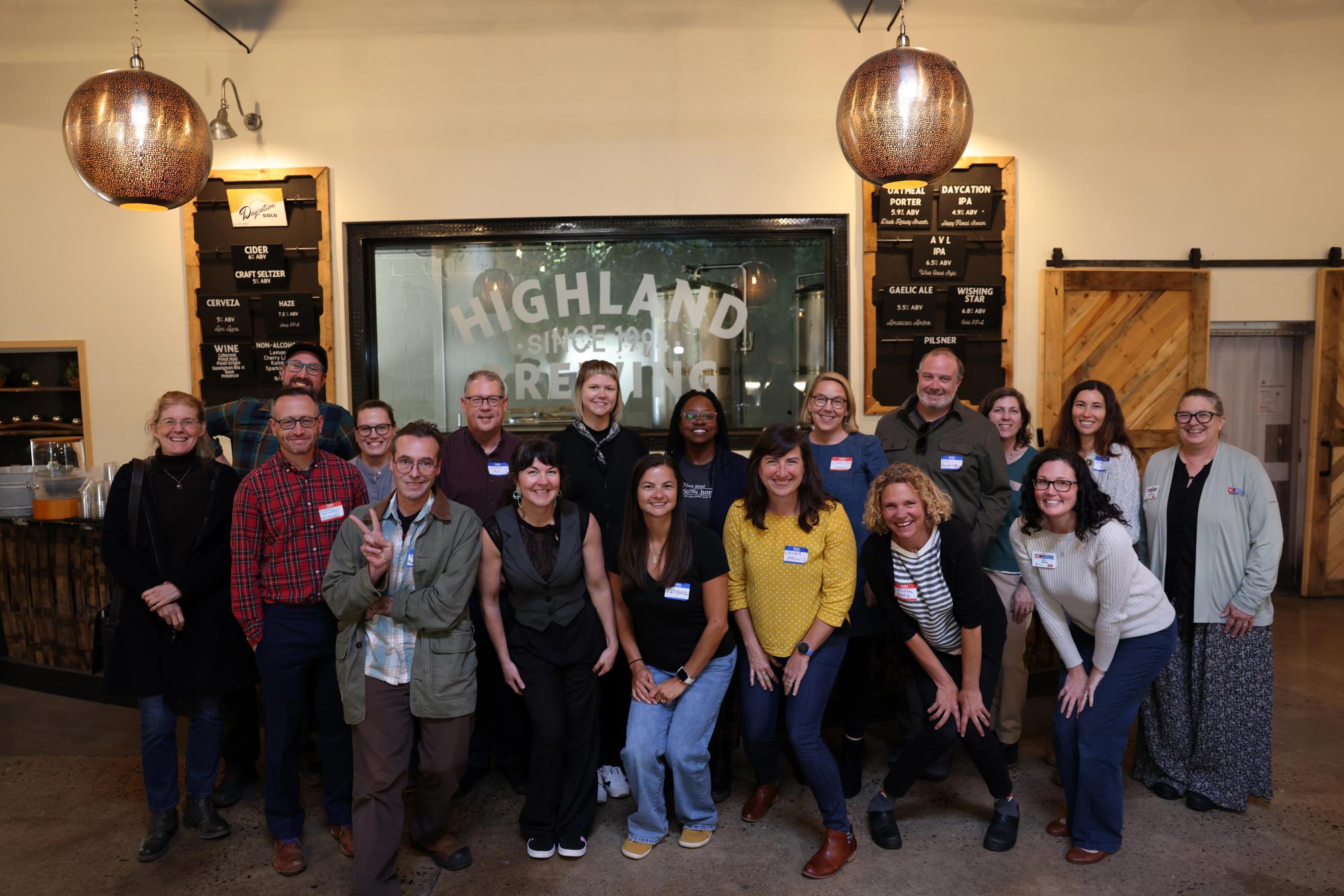
What if the collaboration, care, and sharing we see in the aftermath of a natural disaster became embedded practices in our neighborhoods and economies?
In the aftermath of 2024's Hurricane Helene, Asheville's food and beverage manufacturers experienced first-hand the merit of cooperation over competition. Not only interested in revenue and sales, they saw their own value as leaders in the process of rebuilding local production ecosystems for manufacturers, farmers, and the communities that love what they make.
On Oct. 30, Mechanism heard their stories at our Asheville event "Rising Together: Advancing Food & Beverage Product Businesses in WNC". The insights they shared remind us why concepts like “value chains” and “pre-competitive collaboration” should be sustained beyond times of crisis. When adopted as north stars, they can help build local production ecosystems in which stakeholders are ready to help each other succeed in difficult times.
Here are three of the recurring themes they discussed:
When Crisis Hits, Look to Community for Inspiration
Hurricane Helene forced local manufacturers to confront fundamental questions about the purpose and viability of what they do and how they do it.
For Amy Murashige of Sugar & Snow Gelato, the storm "was such a defining moment, it's now part of our origin story.”
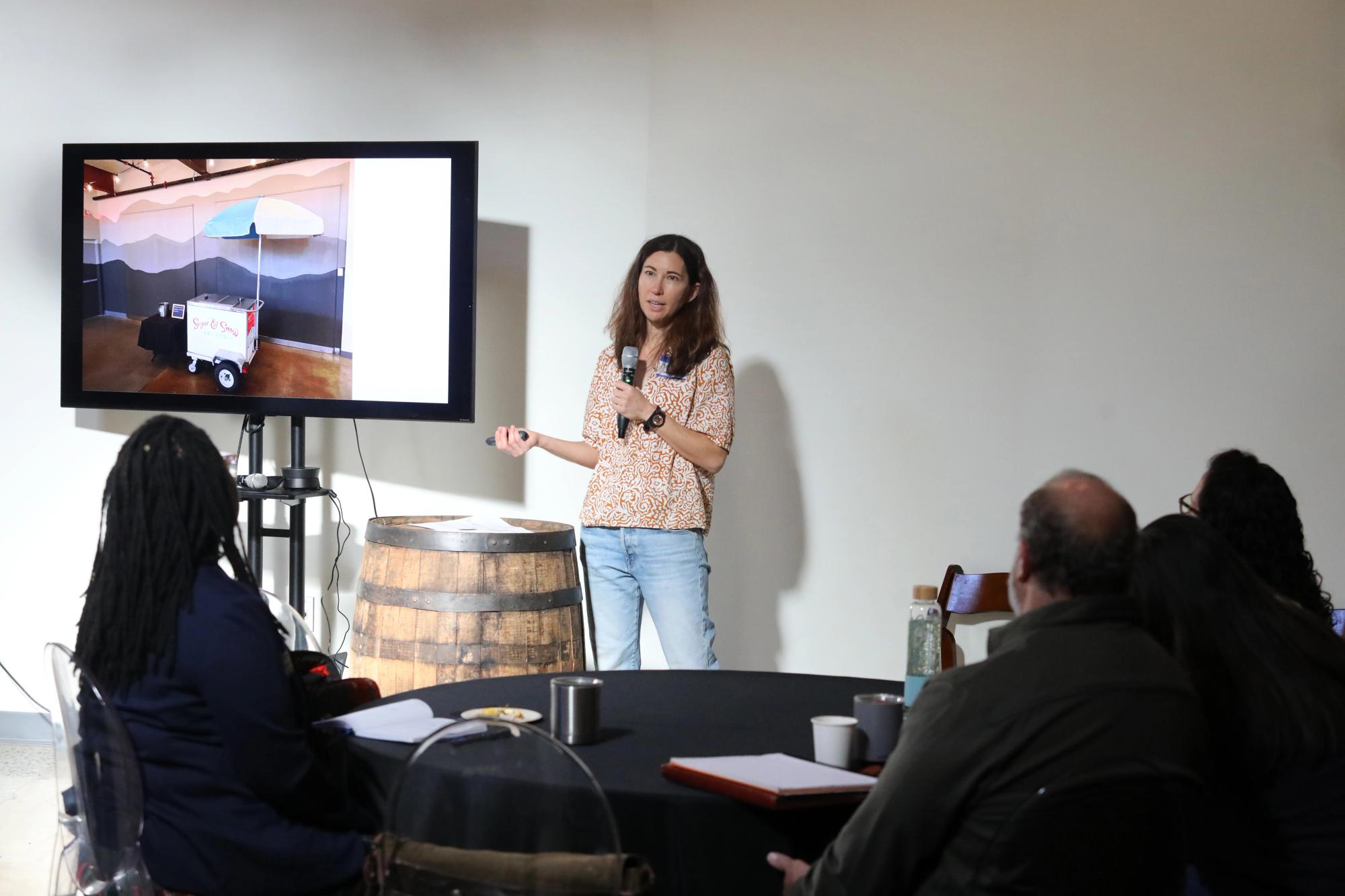
Amy Murashige of Sugar & Snow Gelato. Photo by Ryan Bumgarner.
“The result of surviving such an event is that in choosing to stay in Asheville and to rebuild, I've had to answer those business plan questions again, the ‘Why this product?’ and ‘Why Asheville right now?’” she said. “And the bright side of surviving a disaster is that it brings clarity to the whys.”
After the storm, the outpouring of support she received from customers made her want to keep her business going.
When Walter Harrill of Imladris Farms’ facility and operations were literally under water, it took internal conversations recognizing their role where they live to keep them motivated. "We started talking internally about how important what we do is to us, and we don't realize that we're also part of a bigger conversation … with our community,” he said.
Jessie Dean of Asheville Tea Company, who is deeply committed to sourcing plants and herbs from the Western North Carolina region, echoed their comments.
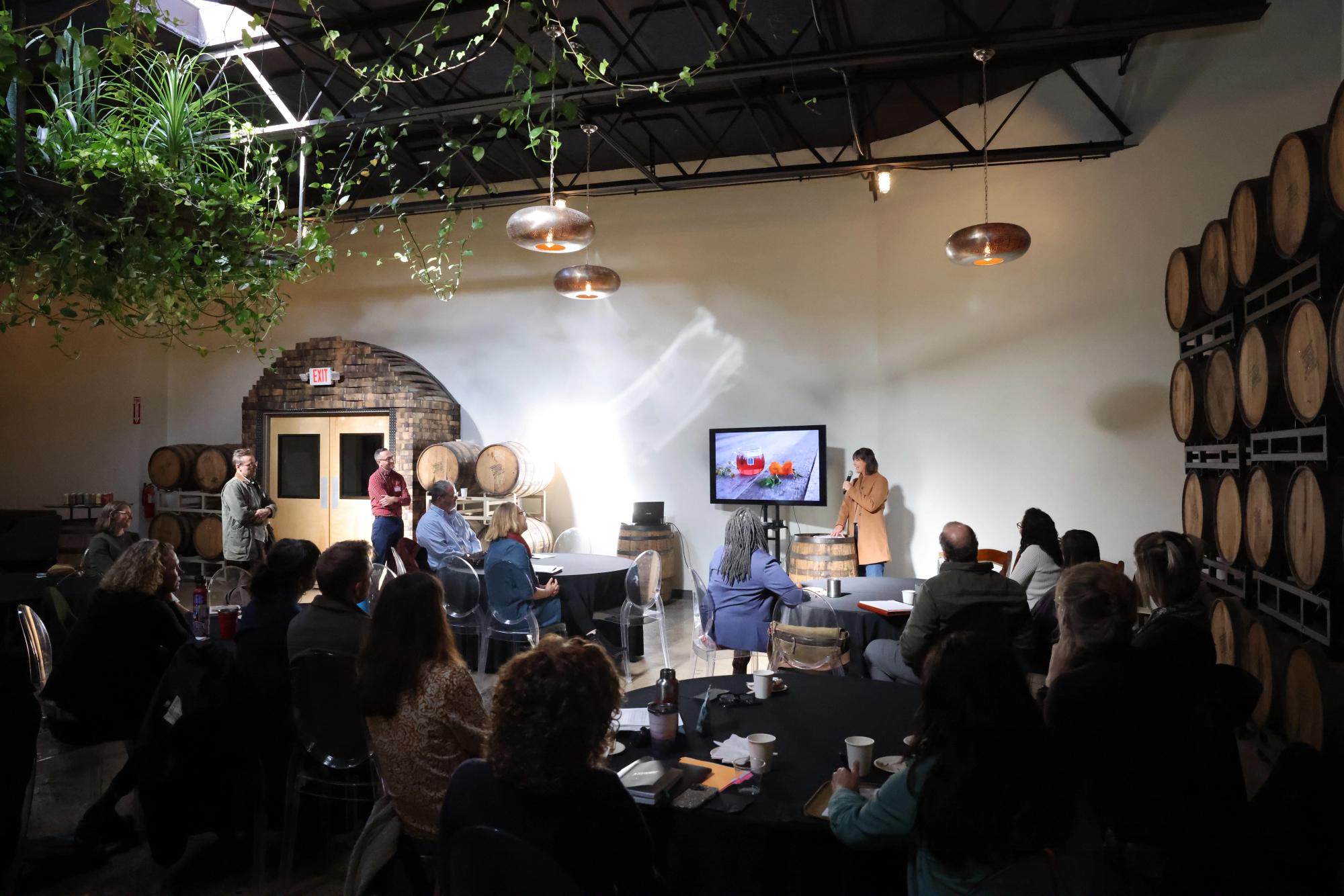
Photo by Ryan Bumgarner.
“I think that our products are extremely meaningful to those who purchase and use them. And that has been one of the strongest motivations for me to continue to rebuild this company after such a big loss is recognizing that, you know what, this matters,” she said.
“This matters not just to me," said Dean. "It matters to other people.”
Murashige noted that the deepened connection with clients and community post-Helene gives Asheville’s entrepreneurs an opportunity to shape the city’s future.
“There's been incredible support from the community for local businesses,” she said. “And this support gives us business owners a chance to have a strong voice in shaping how the work culture is rebuilt in Asheville.”
Reciprocal Relationships over “Supply Chains”
Manufacturers described moving beyond traditional “supply chains” to building relationships that take more into account than just transactions. "It's less about the traditional supply chains and more about creating value chains," said Dean. "Where everyone along the chain benefits, including our customers."
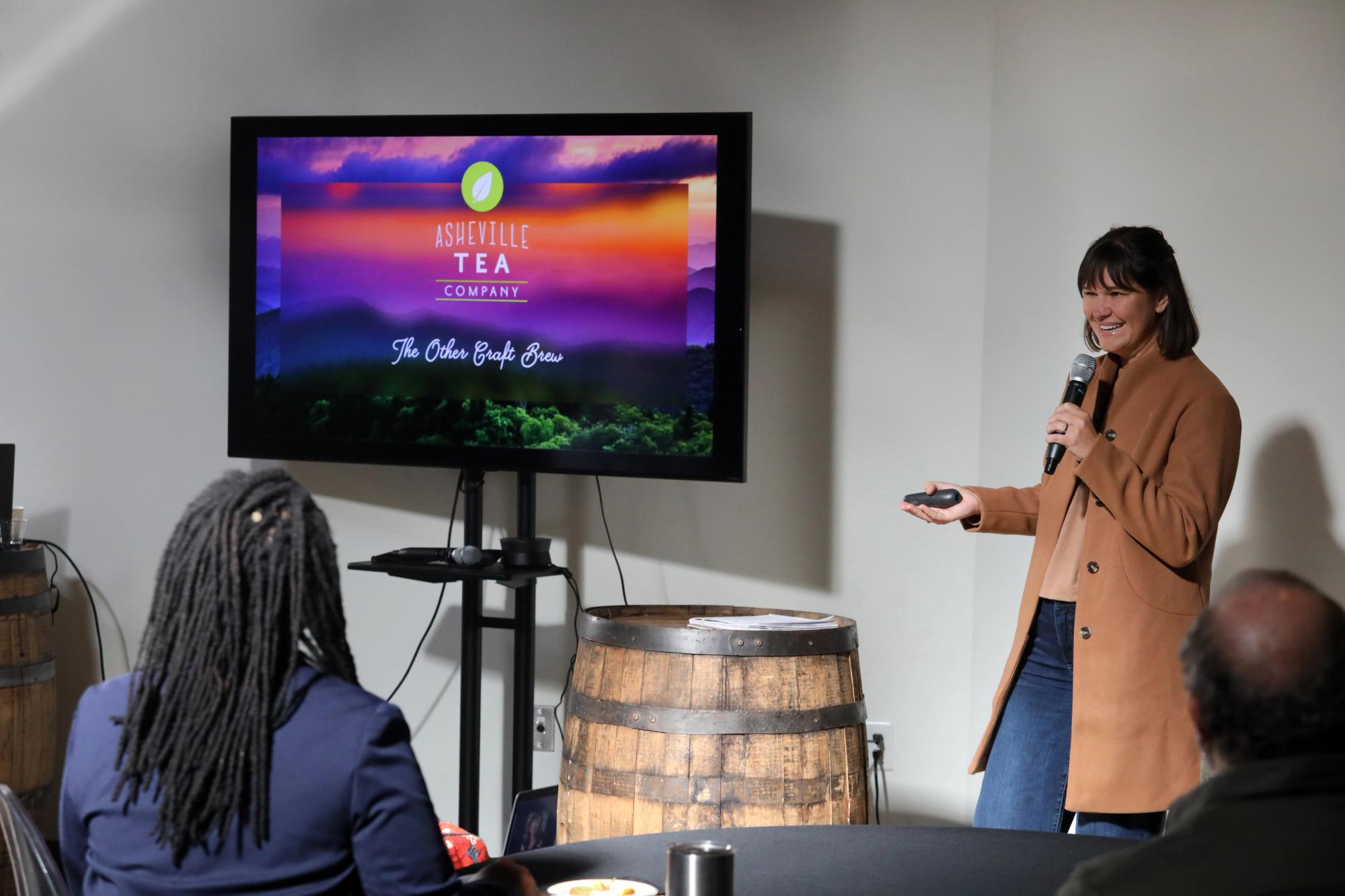
Jessie Dean of Asheville Tea Company. Photo by Ryan Bumgarner.
When Helene destroyed Dean's facility—"our entire building was picked up off its foundation and taken downstream"—farmers offered to donate herbs, and Asheville Tea Company was able to partner with a co-manufacturer in Canada who offered to take over production while their manufacturing space was down.
“Asheville is so focused on collaboration, and I think within the tea industry at large, that's true too,” she said. To her, “pre-competitive collaboration” – when businesses that may compete for the same market collaborate on shared challenges – is a concept that can bring her industry a long way.
While not located in Asheville, the Canadian co-manufacturer her company partners with is indirectly contributing to the Western North Carolina economy by offering to manufacture Dean’s products as long as they need.
That type of assistance helps sustain the reciprocity and care that have made Asheville Tea Company’s “value chains” so valuable.
“[Asheville Tea Company] matters to our farmers who, in some cases, we've become their largest buyer. If we didn't exist, that bottom falls out. But they supported us [after Helene], and that's what makes a truly resilient value chain.”
Could Collaboration Solve Asheville Manufacturers’ Space Needs?
Going forward, food and beverage manufacturers in Asheville point to the same pressing need: physical infrastructure. "We don't have purpose-built production facility space in this town," said Harrill. "We have been making do by using, as a community, the lesser value real estate down along the river."
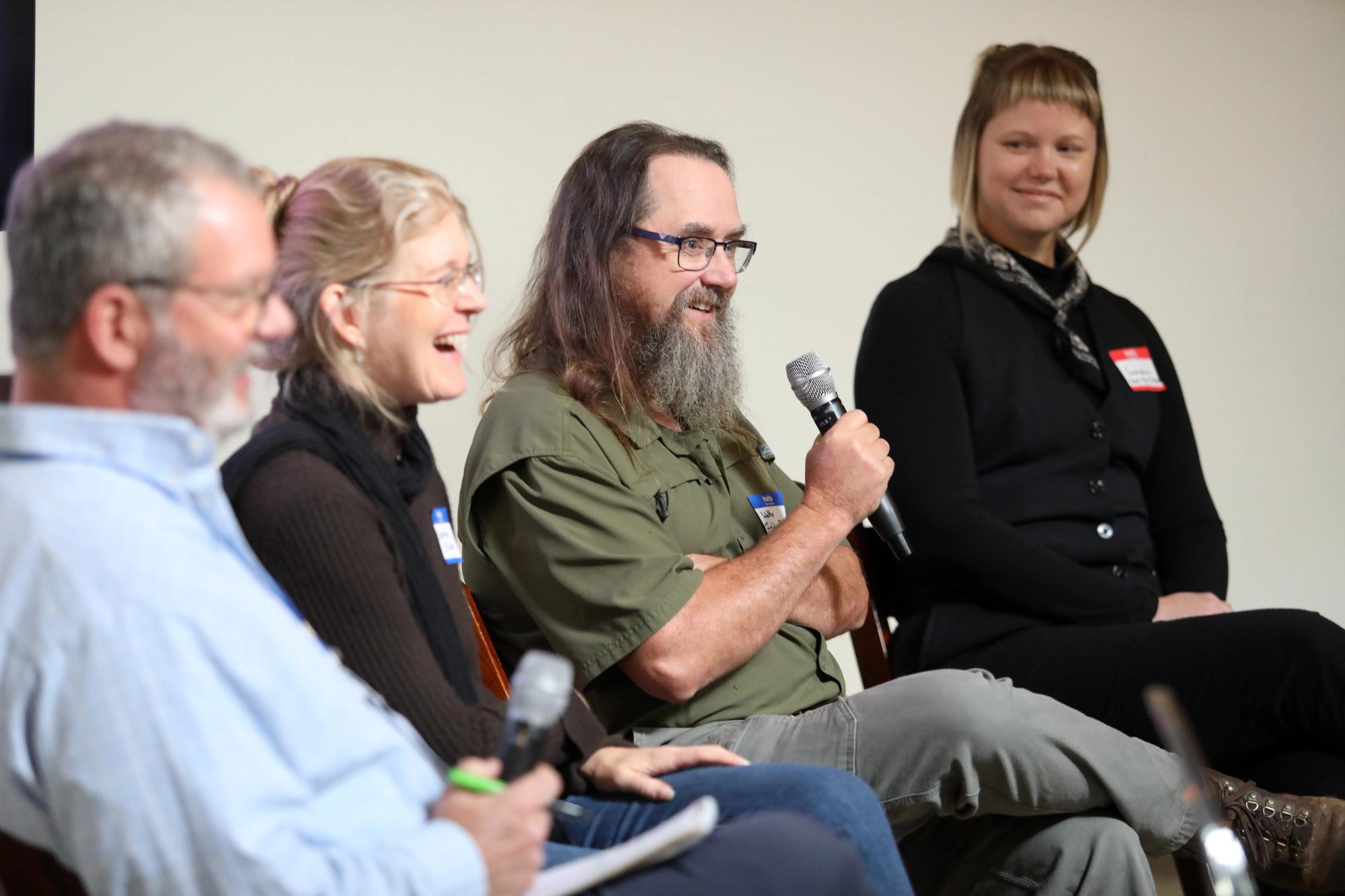
Walter Harrill of Imladris Farms. Photo by Ryan Bumgarner.
Later in the day, food and beverage manufacturers formed breakout groups to pinpoint solutions to their specific challenges. They dreamt up production, and warehousing facilities with shared services like refrigeration and fulfillment and shipping; better support for existing businesses who want to offer co-manufacturing or white label production capabilities, roving technical consultants that can give guidance on compliance and technology; and collective marketing and sales representatives who could leverage Asheville's reputation as a high-quality food city in distant markets.
For Dean, local producers may be able to meet these needs by relying on the Western North Carolina small business community’s tendency for partnership. Jeannine Buscher of Buchi Kombucha and FedUp Foods said she sees working together to co-purchase spaces that might be out of reach for any one producer is a good option.
Finding solutions means “continuing our spirit of local collaboration, as everyone's already said, and being an active participant in how we shape our community and our economy going forward,” Dean said.
About Asheville Local Lab
Asheville Local Lab is a collaboration between food and beverage manufacturers and their supporters in the Western NC region to define strategies and initiatives for common challenges, with the goal of helping these businesses start, scale, and sustain.
Visit our Asheville Local Lab program page or our project wiki to learn more.
Interested in Hosting a Local Lab in Your Community?
Contact Senior Program Manager Laura Masulis to start a conversation.