Findings Report: Raising Dough

Creative Funding Strategies for Food & Beverage Manufacturers

Introduction

Locally growing and producing the food we eat, supporting local farmers who know the soil and terrain of our regions, and creating opportunities for local value-added food manufacturing businesses all contribute to the self-reliance and resiliency of places. Beyond its economic and community benefits, a strong local food system reduces the need to rely on supply chains that emit large amounts of greenhouse gases to deliver food grown hundreds or thousands of miles away.

Yet, finding success in the food industry is increasingly challenging. Rising costs, workforce shortages, inequitable access to capital, and operational complexity are all top of mind for community-oriented financial organizations looking to back these businesses.

Mechanism created the “Raising Dough” learning series to focus on a key stakeholder group and a core challenge in this ecosystem: food manufacturers, and lack of access to capital. It’s a compendium to our on-the-ground food production ecosystem project in Western North Carolina called the Asheville Local Lab.

For this 3-part conversation series we identified food industry intermediaries that have provided capital to food businesses in their community, and asked them to bring along a food business that they had funded. We wanted to hear from both sides about accessing, deploying, and paying back capital to help grow local food businesses.

Here’s everything we learned from our excellent guests.

Case Study #1

HBK Incubates: Supporting Food Businesses at Three Stages of Growth With Capital and Connections, and BiBi Bakery Builds

Participants:

Emma Myers | Senior Director of Small Business Programs at Hot Bread Kitchen
Lena Derisavifard | Owner & Founder of BiBi Bakery

Watch: Raising Dough Featuring Hot Bread Kitchen and Bibi Bakery

Hot Bread Kitchen (HBK) is dedicated to launching careers in the food industry for New Yorkers who face barriers to entering the workforce.

Their 3-tier HBK Incubates program consists of distinct phases called Seed, Start, and Scale, providing tailored support at different stages of business growth, from ideation to securing funding.

Emma Myers, HBK’s Senior Director of Small Business Programs, emphasized their ongoing commitment to continuous improvement, especially in building capital connections and offering human-centered support that goes beyond shared kitchen access. Their approach recognizes the unique challenges faced by food entrepreneurs, including high upfront costs, perishability, and complex regulations, which require flexible, industry-specific solutions.

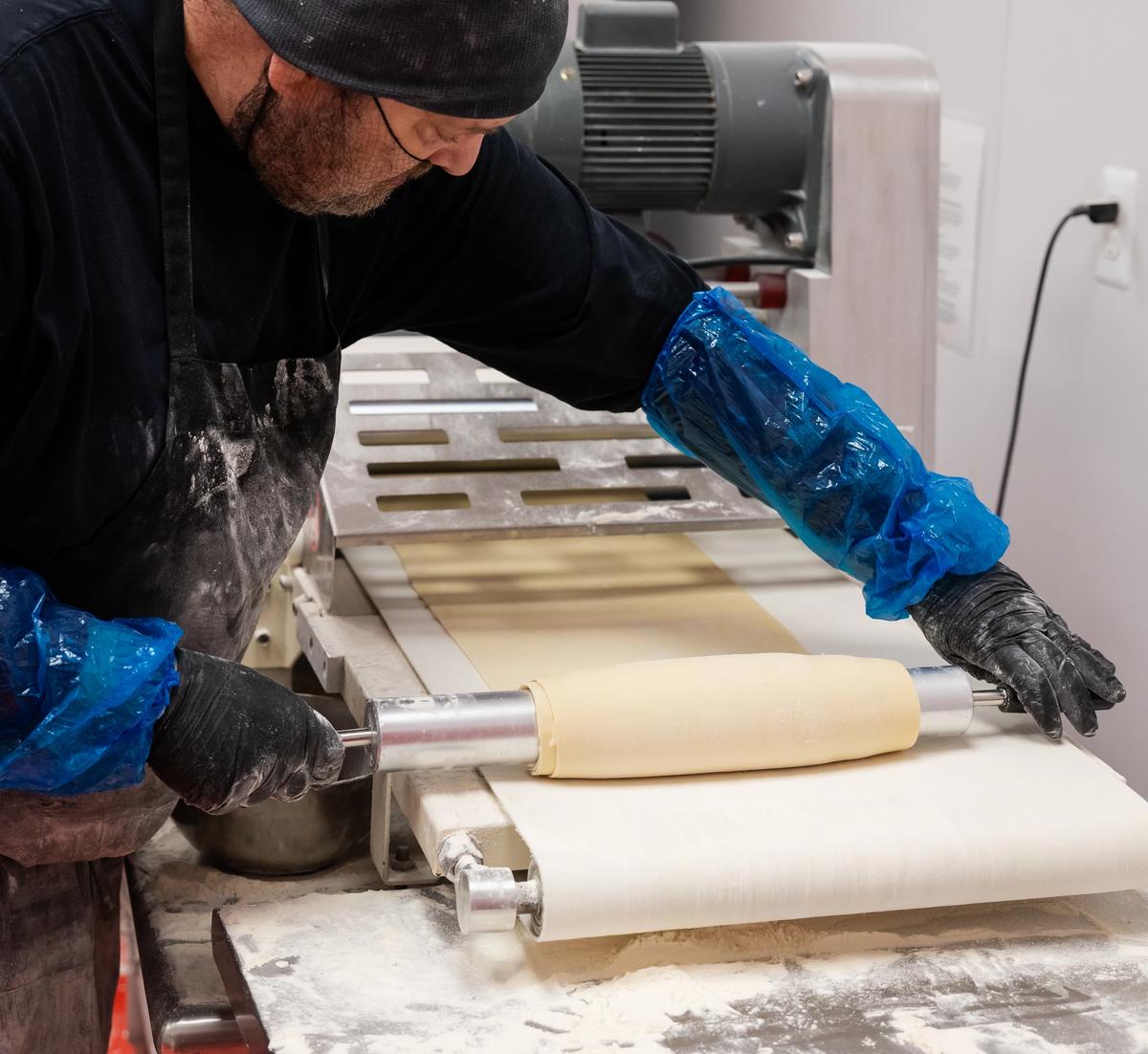
Credit: Hot Bread Bakery

“More flexible funding models make a world of difference in allowing us to embrace the kind of creativity and experimentation that’s in our programming, where we can center our members and pivot how we're supporting them based on what they’re telling us they need.” - Emma Myers

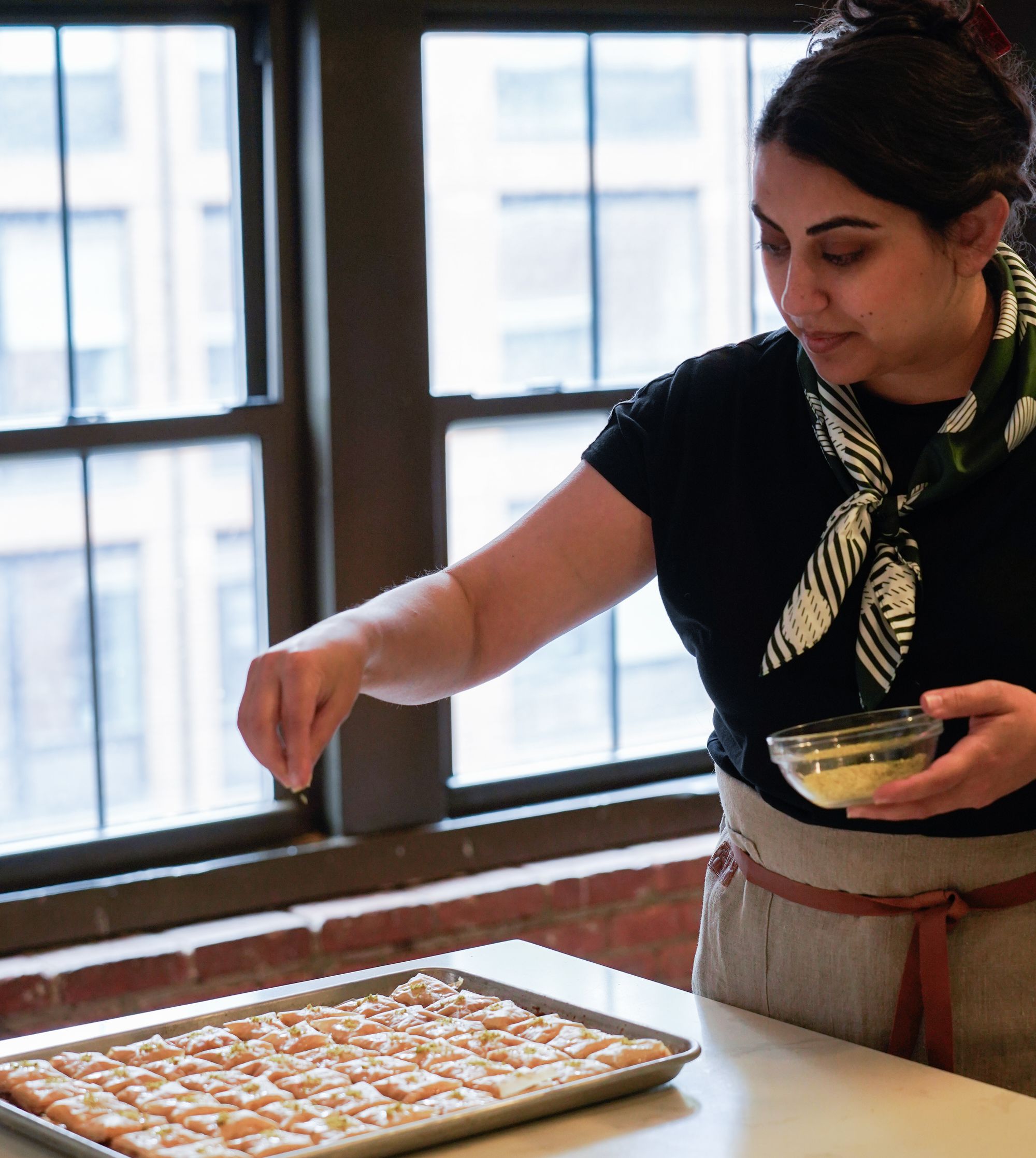
We also had the privilege of speaking with Lena Derisavifard, founder of BiBi Bakery, whose journey exemplifies the impact of HBK’s support. Lena’s story highlights the barriers many makers face, including managing daily operations, resource constraints, and navigating funding, before finding a launchpad in HBK’s incubator program. Growing her business required brand collaborations, pop-ups, and community engagement, with support from HBK.

“Traditional funding is really difficult to access, and so I’m hoping to move forward to diversifying the way I do receive funding...applying for grants, crowdfunding, investment, and then hopefully some friends and family. And then I think my last option is the debt financing because the interest rates are really, really high." - Lena Derisavifard

Credit: Sima Jafari

Case Study #2

Proof Incubator: Nurturing Local Innovation at Every Stage with Support, Resources, and Community-Driven Growth

Participants

Mike Robinson | Co-Founder & Chief Executive Officer, Proof Incubator
Kaleena Goldsworthy | Chief Operating Officer, Proof Incubator

Watch: Raising Dough featuring Proof Incubator

Our second conversation was with the team from Proof Incubator, in Chattanooga, Tennessee, an organization dedicated to supporting early-stage business owners through education, mentorship, and resource-sharing.

Co-founders Michael Robinson and Kalina Goldsworthy, who both have extensive experience in the food and product manufacturing industry, shared information about their flexible, multi-faceted approach to supporting diverse learning needs. They provide hands-on incubation for small businesses, plus online courses and personalized advising on a variety of topics.

“I cannot tell you how many times we've watched great brands sprint to scale up...they're spending the money quicker than they can see the returns on if it's working. So they'll build up a Salesforce, they'll pay an influencer, and all of a sudden they're $2 million in debt and they have nothing to show for it." - Mike Robinson

The discussion highlighted the importance of understanding a business’s true costs, market fit, and future plans to ensure financial viability, especially when navigating complex funding options like loans and venture capital. Their experiences show that becoming ‘bankable’ involves diligent preparation that includes building relationships with community lenders, understanding different types of capital, and having a plan for scaling and manufacturing.

"Having that loan folder or loan dossier that has your business plan and what you're looking for and your runway and planning ahead — all of those things are what we find tend to get our businesses a little bit farther ahead (in becoming loan-ready)." - Kalina Goldsworthy

Our exciting conversation also touched on the critical role of relationships, whether with local banks, community organizations, or support providers, which can create an ecosystem that helps food and beverage product businesses succeed.

Mike and Kaleena shared their philosophy of collaboration over competition, working with various regional partners to avoid duplication, and to meet entrepreneurs where they are. They underscored that understanding the nuances of funding, pricing, and scaling and fostering strong relationships are key to transforming passionate food entrepreneurs into sustainable, growth-ready businesses.

Case Study #3

MI Good Food Fund: MI Good Food Fund: Investing in Community-Led Food Ventures, and Pietrzyk Pierogi: Preserving Tradition with Flavor and Innovation

Participants

RJ Archambo | Investment Manager, Michigan Good Food Fund
Erica Pietrzyk | Owner & Founder of Pietrzyk Pierogi

Watch: Raising Dough featuring MI Good Food Fund and Pietrzyk Pierogi

Our final session of Raising Dough featured an enlightening discussion with Michigan-based Investment Manager RJ Archambo from the Michigan Good Food Fund, as well as the inspiring story of Erica Pietrzyk, founder of Pietrzyk Pierogi (a Detroit staple).

RJ shared the story of how the Michigan Good Food Fund emerged from a statewide movement to build a resilient, equitable local food economy. The fund operates as a collaborative of community development financial institutions (CDFIs), who can provide technical assistance and de-risked, tailored loans to food entrepreneurs.

“Our products [including credit enhancements] attach to the bank's lending products to either de-risk it for the lender or make it more affordable for the entrepreneur — and try to figure out a happy medium to make sure that overlooked communities and entrepreneurs have the same access to capital." - RJ Achambo

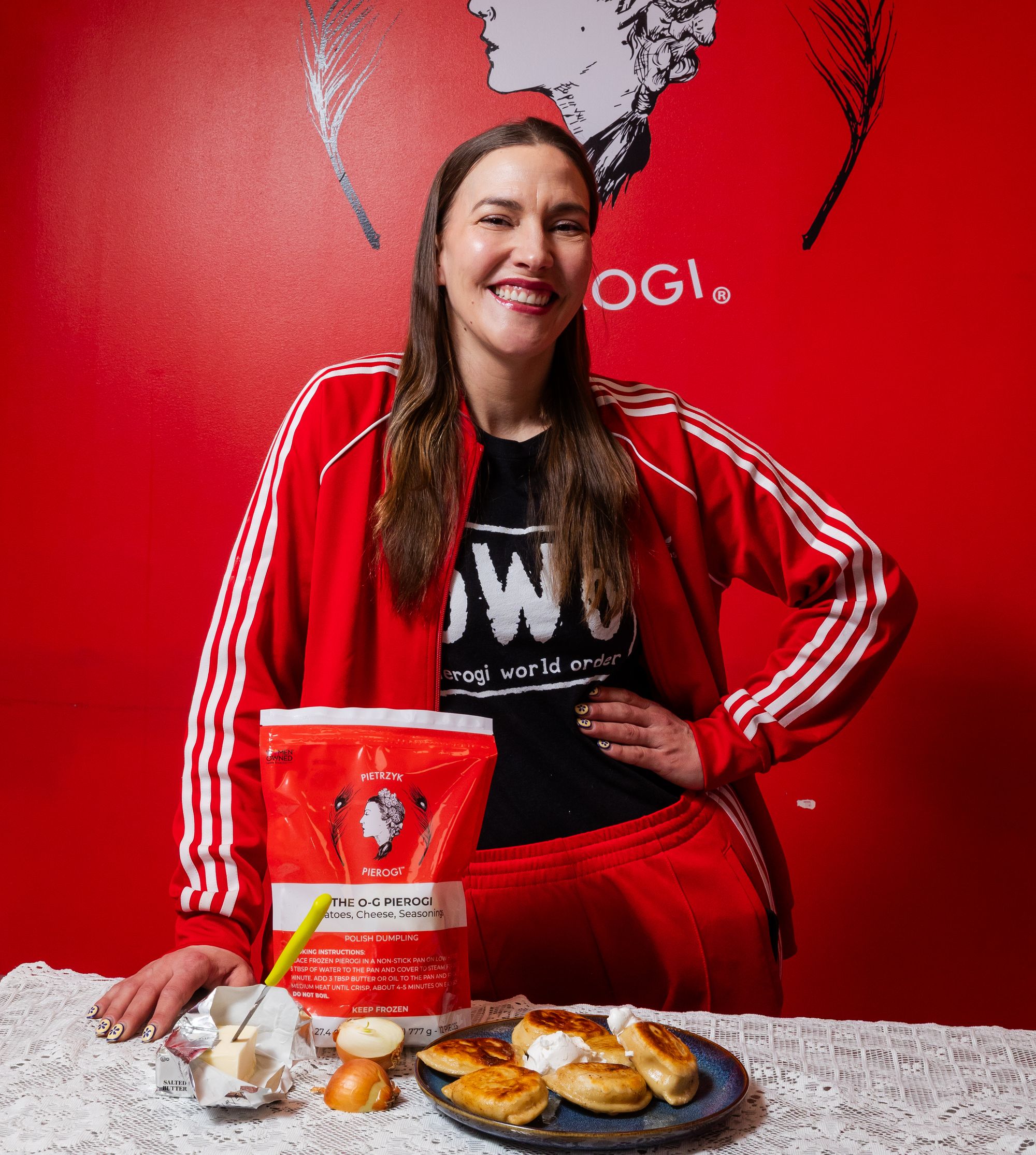
Erica shared her personal journey, starting with making pierogi for family and friends, then through pop-ups and her own storefront, all while navigating funding hurdles as a female business owner. Erica gradually built her operations through creative, small-scale funding sources like PayPal loans before accessing traditional banks and the resources Michigan Good Food Fund provides.

“When you're a woman, there's a different level of risk that they put you under than they do for men. And it's kind of absurd, but working with smaller CDFIs and people who know your industry … help make that a more even playing field." - Erica Pietrzyk

Credit: That Gay Photographer

Throughout the conversation, both RJ and Erica emphasized the significance of well-structured planning, financial literacy, and strategic partnerships at every stage of growth. Like the previous conversations, Erica's experience highlights the necessity of building relationships with supportive lenders who understand the food industry’s unique challenges.

The Michigan Good Food Fund’s approach - de-risking loans through guarantees and tailored support - can serve as a model for expanding access to capital for underserved communities and food entrepreneurs. The unique model of having a technical service provider engaged in the funding process allows them to narrow down the best options for a pitch, which saves time and money for both funders and businesses.

Conclusion

Each business we spoke with underwent tremendous growth, change, and adaptation - speaking to the need to remain flexible, and ‘roll with the punches’ in an ever-changing environment. Those who continue to grow and find success sometimes become the guiding light they once needed, and provide help for others with their own hard-learned lessons.

At the same time, it’s not only about sales and growth. The food and beverage product industry can benefit from and contribute to values that center community well-being including connection, balance, humility, care, learning, and shared stewardship. Thriving production ecosystems, and particularly food systems, support critical needs and strong communities, and are an immediate priority for communities who want to be self-reliant and resilient.

Organizations like Proof, Hot Bread Kitchen, and Michigan Good Food Fund are prime examples of how intermediaries and support organizations can make the journey easier, and how food-based businesses can become vehicles for impact. These intermediary organizations play a critical role in allowing the growth and scaling of new and growing businesses by providing resources and connections to technical assistance

There are a multitude of ways to apply these findings to real-world recommendations. Keeping in mind that no journey through the food & beverage product industry is the same, here are recommendations for actions based on what was uncovered in the learning series.
Recommendations

Short-term

Build infrastructure to act on these insights

Create a shared, standardized role for capital navigation support within the industry.

Develop food-specific capital readiness tools that include sector-specific information that can be shared widely.

Launch a capital scan alert system that tracks and shares industry-specific opportunities like grants and public funding.

Medium-term

Pilot new pathways to capital

Create pilots w/ local lenders for specific needs and growth stages, co-designed and tailored for people in the food/beverage manufacturing industry.

Create training programs, peer-led sessions, and supports to normalize education on capital knowledge and preparation.

Shift the industry, not individual businesses

Create educational content, including briefs and resources, to educate & reframe the idea of food manufacturing for lenders & policymakers.

Embed community impact as an asset

Prepare shareable narrative templates for business owners to use to share information about their practices, including local sourcing, program participation, and direct impact.

Build resilience into growth planning

Build educational materials about diversification into multiple types of revenue channels, providing an additional safety net.

Long-term

Replicate effective collaborative lending models regionally

Use existing case studies of models like the Michigan Good Food Fund to pilot new projects regionally.

Measure what really matters

Build, pilot, and share an annual report for food manufacturers that helps outline what is being measured through what lenders so business owners can plan for application.

Create and share templates for industry-specific metric tracking in partnership with local lenders.

For a full breakdown of the recommendations that came out of the larger project, and for information on the follow-up happening as these recommendations develop, see the Asheville Local Lab page.

Acknowledgements

We’d like to thank our guests - Emma Myers from Hot Bread Kitchen, Lena Derisavifard from BiBi Bakery, Kaleena Goldsworthy and Mike Robinson from PROOF Incubator, and RJ Archambo from MI Good Food Fund, and Erica Pietrzyk from Pietrzyk Pierogies - we couldn’t have done it without you, and appreciate all of your time and willingness to share!

To the Mechanism team who supported this project - thank you for all of your help with bringing everything from ideation to reality!

Photos by Sima Jafari, Mary Gondert, and the Hot Bread Kitchen team.

Additional Resources

Local Labs

You can find more information on Local Labs here.

Local Labs

Learn More

Think your region would benefit from a local lab? Want to know more? Reach directly out to the Local Lab team by e-mailing Laura Masulis.

Reach out

Mailing List

If you’d like to stay in the loop, you can sign up for our mailing list here.

Stay in touch

Connect with us

Is your region doing something innovative to connect capital to food and beverage products? We’d love to hear from you - e-mail Katie O’Connor

Reach out

Follow the links here to learn more about NY-based Hot Bread Kitchen & grab a snack from Bibi Bakery.

Check out Proof Incubator, in Chattanooga.

Learn more about MI Good Food Fund and the Fair Food Network, and swing by Pietrzyk Pierogies for a bite to eat!

Resources

  1. “Economic Contribution of the Food and Beverage Industry”, by the Committee for Economic Development of the Conference Board, March 2017.
  2. “Food Systems as Economic Development”, by New Venture Advisors, LLC. July, 2023.
  3. “‘Barberry and Saffron’: Bakery Startup Bringing a Taste of Iran to Brooklyn”, by Economic Hardship. October 2024.
  4. “External development financial flows to food systems: Deep dive on international financial institutions (2018-2023)”, by International Fund for Agricultural Development. July 2025.
Webinar

Learning Series: Raising Dough

Creative Funding Strategies for Food & Beverage Manufacturers

November 2025

Raising Dough: Creative Funding Strategies for Food & Beverage Manufacturers and Shared Kitchens is a 3-part virtual learning series helping food and beverage manufacturers and shared kitchen operators navigate the financial challenges of growth. Each session brings together perspectives from both key support organizations and the makers themselves, offering practical, real-world strategies for building a more sustainable business.

Watch Webinar